What is LAP- Loud And Proud!

LAP is what it sounds like. It encourages children to look beyond gender stereotypes and embrace unfettered exploration of self.
I WON'T APOLOGISE FOR WHO I AM

"There will not be a magic day when we wake up and it's now OK to express ourselves publicly. We make that day by doing things publicly until it’s simply the way things are."

—From her "Never Doubt" speech at the Millennium March for Equality, 2000

EVERYTHING you need to know about LGBTQ

What is LGBTQIA+

LGBTQIA+ – A common abbreviation for Lesbian, Gay, Bisexual, Pansexual, Transgender, Genderqueer, Queer, Intersexed, Agender, Asexual, and Ally community.

LGBTQ is the more commonly used term in the community; possibly because it is more user friendly! You may also hear the terms “Queer Community” or “Rainbow Community” used to describe LGBTQ2+ people. This initialism and the various terms are always evolving so don’t try to memorize the list. The most important thing is to be respectful and use the terms that people prefer.

How it started

An early LGBT movement also began in Germany at the turn of the 20th century, centering on the doctor and writer Magnus Hirschfeld. In 1897 he formed the Scientific-Humanitarian Committee campaign publicly against the notorious law "Paragraph 175", which made sex between men illegal.

LGBT history dates back to the first recorded instances of same-sex love and sexuality of ancient civilizations, involving the history of lesbian, gay, bisexual and transgender (LGBT) peoples and cultures around the world. What survives after many centuries of persecution—resulting in shame, suppression, and secrecy—has only in more recent decades been pursued and interwoven into more mainstream historical narratives. In 1994 the annual observance of LGBT History Month began in the US, and it has since been picked up in other countries. This observance involves highlighting the history of the people, LGBT rights and related civil rights movements. It is observed during October in the United States, to include National Coming Out Day on October 11.[4] In the United Kingdom, it is observed during February, to coincide with a major celebration of the 2005 abolition of Section 28, which had prohibited local authorities from promoting homosexuality

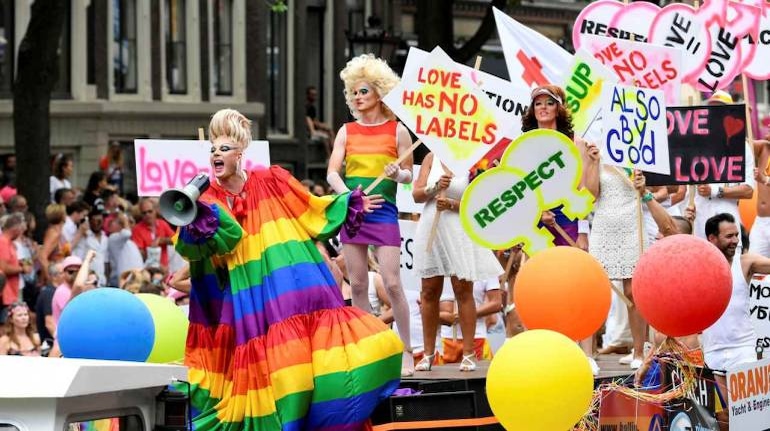
The PROTEST

Lesbian, gay, bisexual, and transgender (LGBT) social movements are social movements that advocate for LGBT people in society. Social movements may focus on equal rights, such as the 2000s movement for same-sex marriage, or they may focus on liberation, as in the gay liberation movement of the 1960s and 1970s. Earlier movements focused on self-help and self-acceptance, such as the homophile movement of the 1950s. Although there is not a primary or an overarching central organization that represents all LGBT people and their interests, numerous LGBT rights organizations are active worldwide. The earliest organizations to support LGBT rights were formed in the early 20th century.

A commonly stated goal among these movements is social equality for LGBT people, but there is still denial of full LGBT rights. Some have also focused on building LGBT communities or worked towards liberation for the broader society from biphobia, homophobia, and transphobia. There is a struggle for LGBT rights today. LGBT movements organized today are made up of a wide range of political activism and cultural activity, including lobbying, street marches, social groups, media, art, and research.

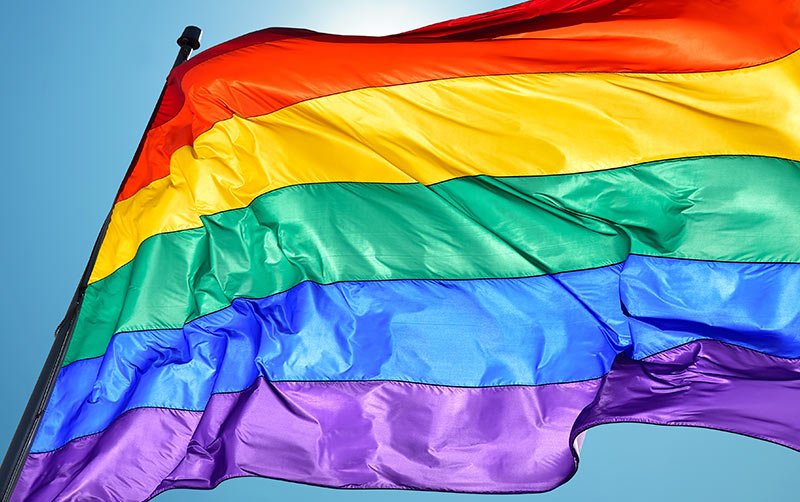
Rainbow Flag

The rainbow flag (also known as the gay pride flag or LGBT pride flag) is a symbol of lesbian, gay, bisexual, transgender, and queer (LGBTQ) pride and LGBTQ social movements. Other older uses of rainbow flags include a symbol of peace. The colors reflect the diversity of the LGBTQ community, as the flag is often used as a symbol of gay pride during LGBTQ rights marches. While this use of the rainbow flag originated in San Francisco, it is now used worldwide.

LGBTQ individuals and allies currently use rainbow flags and many rainbow-themed items and color schemes as an outward symbol of their identity or support. The rainbow flag is also commonly used as a general symbol of social equality and individuality. In addition to the rainbow, many other flags and symbols are used to communicate specific identities within the LGBTQ+ community.

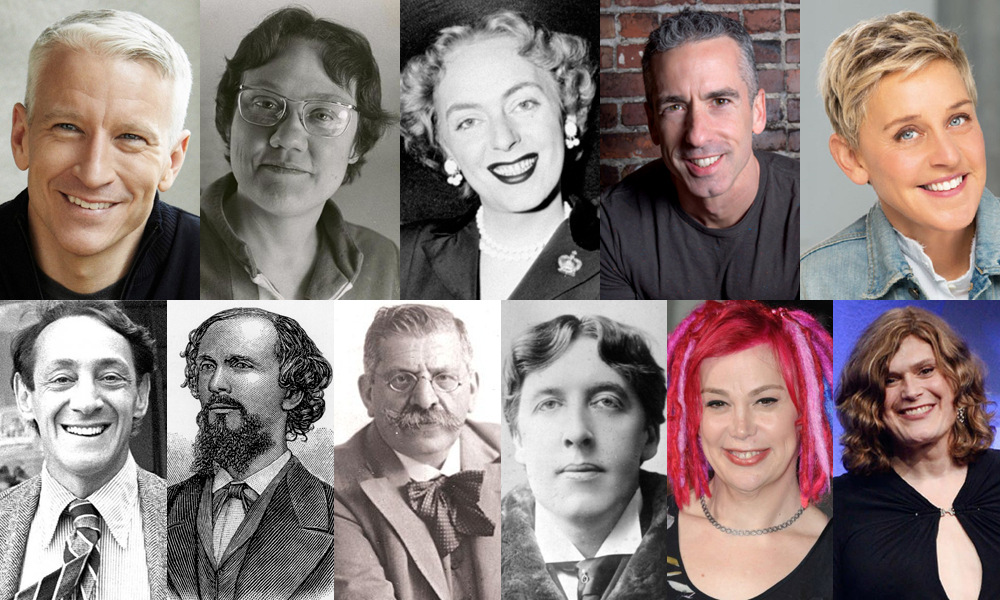
Not hiding who they were was just the first thing they did to inspire progress…

  • ANDERSON COOPER
  • BARBARA GITTINGS
  • CHRISTINE JORGENSEN
  • DAN SAVAGE
  • ELLEN DEGENERES
  • HARVEY MILK
  • KARL HEINRICH ULRICHS
  • MAGNUS HIRSCHFELD
  • OSCAR WILDE
  • LANA AND LILLY WACHOWSKI

“Nature made a mistake, which I have corrected.”

– Christine Jorgensen

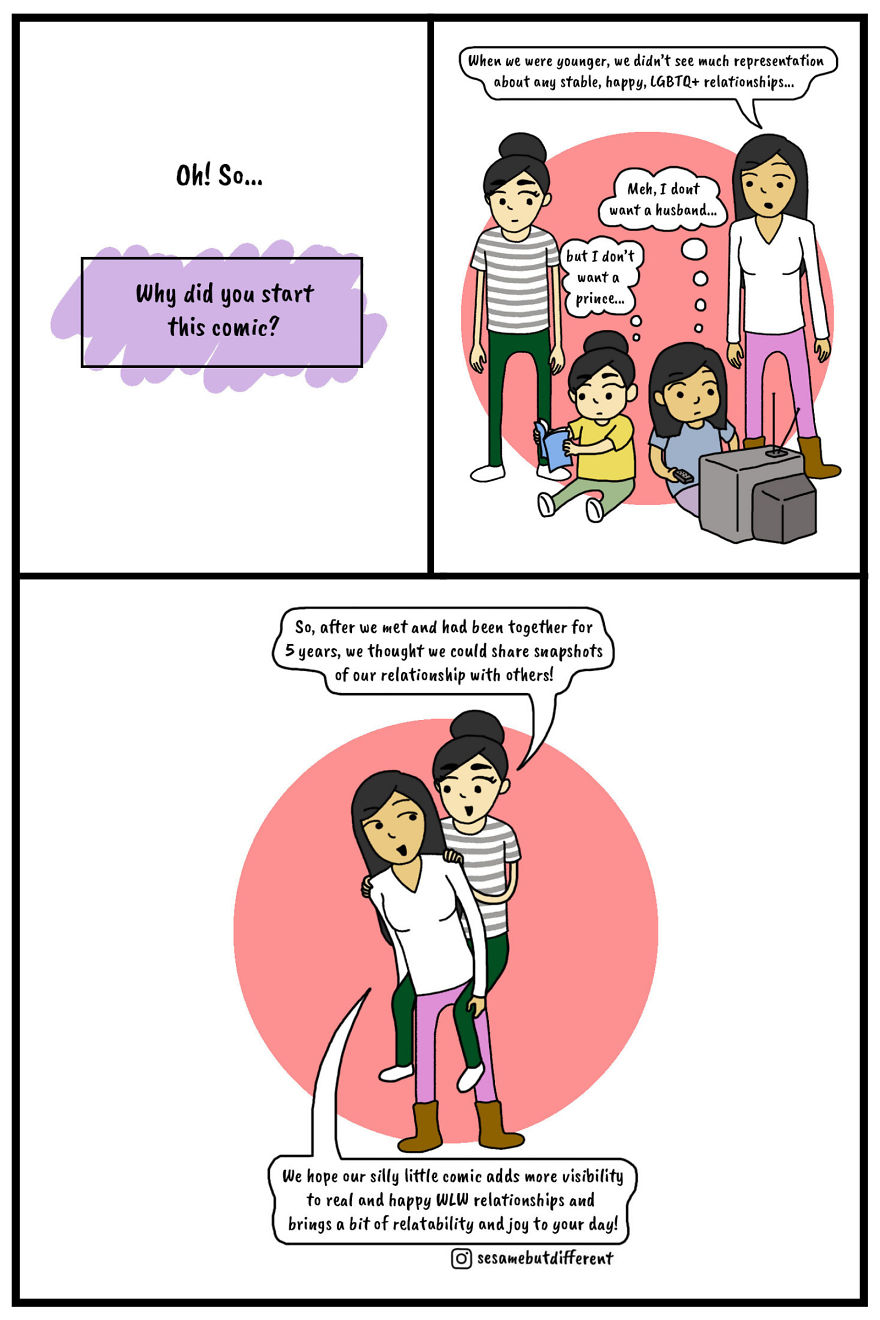
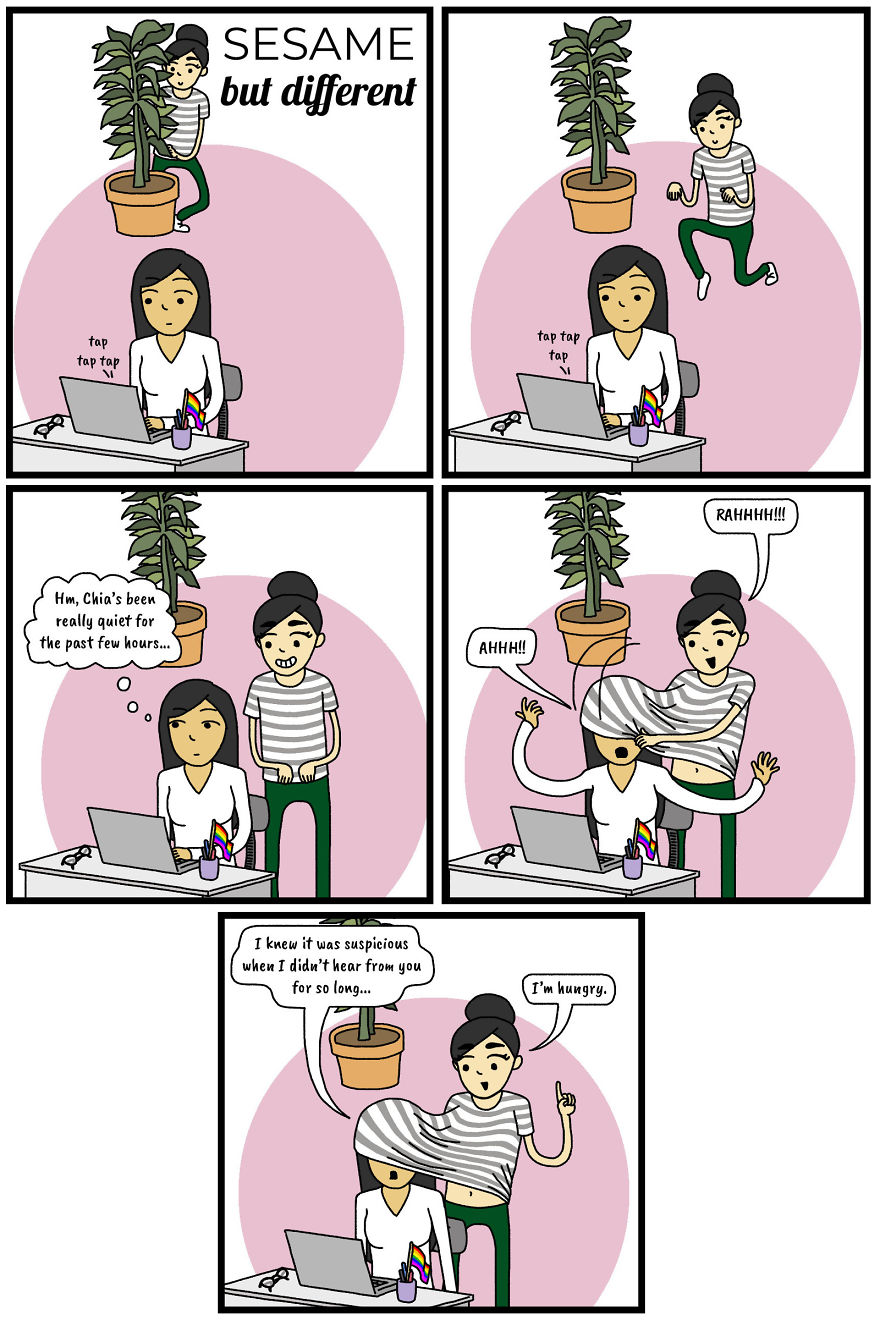
Well, Here are some COMICS for you

ENJOY

“The Lord is my Shepherd and he knows I’m gay.”

– Troy Perry

“Let’s play some game”

Check it out

Games are fun and source of positive emotions. Games help us tap into positive emotions, like curiosity, optimism, creativity. You enjoy it just for the sake of enjoying. These emotions stay up hours after we play! Unless someone beats your high-score, of course...

“ The richness, beauty and depths of love can only be fully experienced in a climate of complete openness, honesty and vulnerability.”

– Anthony Venn Brown

Contact Us

..REACH OUT TO US..